
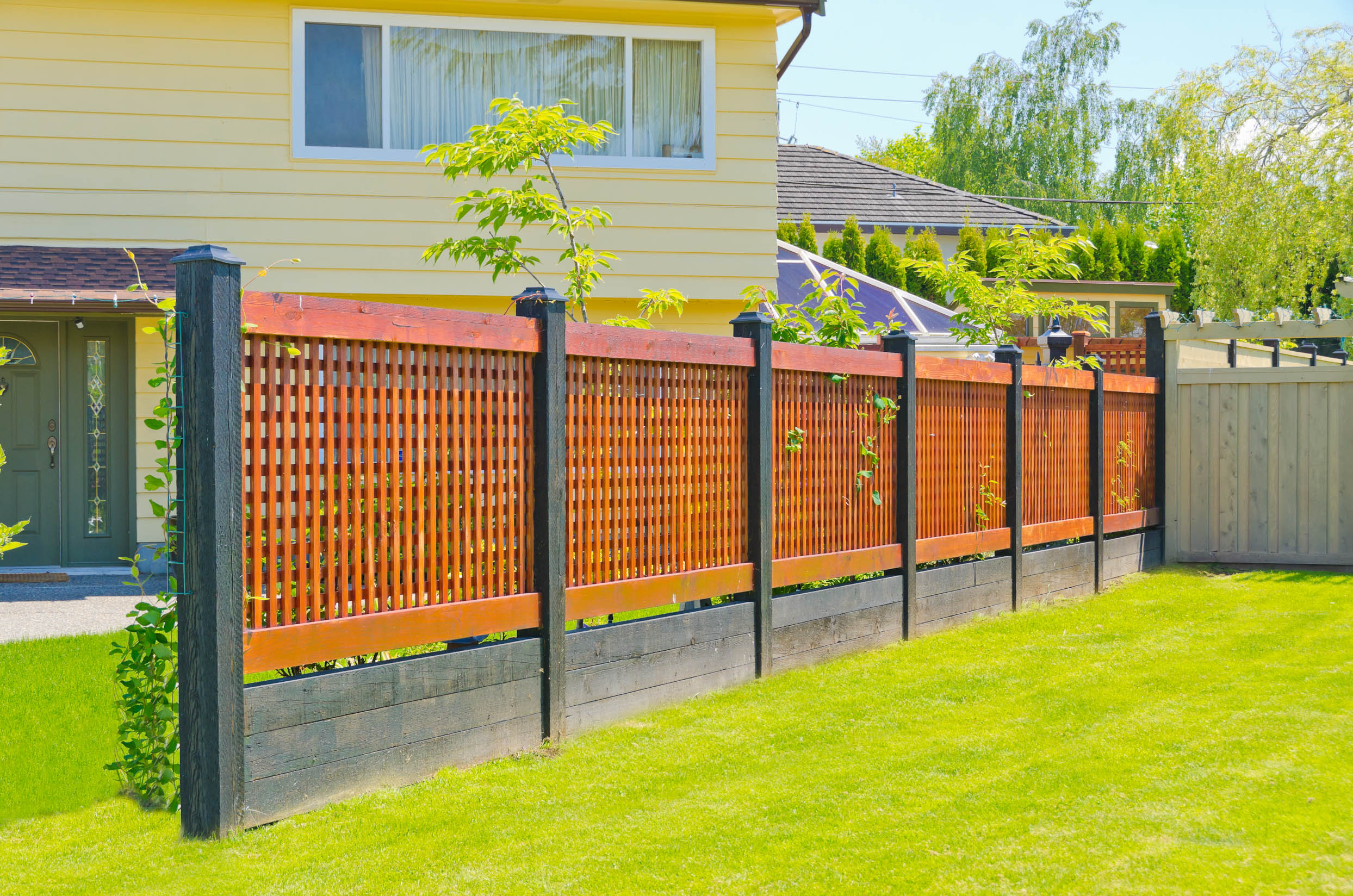
Fencing projects often come with a variety of misconceptions that can lead to unrealistic expectations and poor decision-making. Homeowners and businesses alike seek to enhance their properties with fencing solutions that meet their aesthetic and functional needs, yet many myths persist. These misconceptions can affect choices regarding design, material selection, and even maintenance needs. By addressing these false beliefs directly, fence companies aim to educate consumers and foster better decision-making.
All Fencing Materials Are Created Equal
The belief that all fencing materials are created equal is a common misconception leading to misguided choices in fencing projects. In reality, materials such as wood, vinyl, chain link, and metal offer distinct advantages and drawbacks. Wood may offer a classic, natural aesthetic, while vinyl provides a more modern and durable alternative. Chain link is often chosen for its utilitarian and cost-effective nature, but it lacks in privacy and visual appeal. Ultimately, the choice of material should align with the specific needs and goals of the property owner.
Different materials present varied levels of longevity and durability, often affecting long-term satisfaction with a fencing project. For instance, while wood systems may appeal to the eye, they often require more consistent maintenance to prevent rot and degradation. Vinyl, on the other hand, offers better longevity due to its resistant properties, which help it endure harsh environmental conditions. As fence companies remind customers, selecting a material must balance aesthetic preferences with the practical considerations of maintenance and lifespan. This factor alone can significantly impact the overall success and satisfaction of a fencing project.
While initial costs may drive decisions, they don’t always reflect the total investment of a fencing project. Wood fences, though initially more affordable than vinyl, can incur higher maintenance costs over time. Vinyl’s upfront costs are higher, but its low maintenance requirements often result in lower overall expenditure. Homeowners need to consider long-term financial implications when choosing their fencing materials. According to RentPrep, vinyl fences are most frequently available in heights of 4 and 6 feet, reflecting a balance between cost and functionality for private and secure solutions.
DIY Fencing Is Always Cheaper
DIY fencing may appear more economical at first glance, but hidden costs can quickly accumulate. Homeowners often focus on the direct costs of materials, ignoring the expenses related to tools, equipment rental, and transportation. Additionally, mistakes such as incorrect measurements or installation errors may necessitate costly corrections. These expenses can cumulatively exceed the initial savings, making professional installation a more cost-effective option in many cases. Fence companies emphasize that a realistic budget should consider both direct and indirect costs.
Installing a fence is a labor-intensive task that can become a prolonged project without professional experience. Homeowners may invest significant time into planning, acquiring materials, and conducting the installation itself. Professional fence installers bring specialized skills and efficiency, completing projects in a fraction of the time a DIY effort might require. Additionally, professional teams are equipped to handle unexpected challenges that could delay completion when approached without the necessary expertise. Choosing professional installation can ultimately provide greater value through time savings and stress reduction.
Quality craftsmanship is another major consideration often overlooked in DIY projects. Professional installers possess the knowledge and skills necessary to ensure that the fence performs its intended role. Proper alignment, sturdiness, and compliance with local codes are all aspects that contribute to a fence’s longevity and functionality. Amateur attempts might result in a subpar product, the need for repairs, and ultimately a shorter lifespan than a professionally installed fence would enjoy. Homeowners should weigh these factors against the perceived cost savings when considering a DIY approach.
Privacy Is the Only Benefit of a Fence
While privacy is a primary function of many fences, security is often an equally important consideration. Fences act as deterrents to trespassers and unauthorized access, helping to protect people and property. Design elements can enhance security further, such as tall fencing with anti-climb features or integrated security systems. Fences can also provide protection for pets and children, preventing them from inadvertently straying into dangerous areas. A secure fence enhances peace of mind and is a key benefit that shouldn’t be overlooked.
A well-designed fence can significantly enhance the aesthetic appeal of a property, contributing to its overall value. Choosing a design that complements the architecture and landscaping creates a cohesive and attractive outdoor space. In addition to visual appeal, the right fence can add distinction and curbside intrigue, appealing to prospective buyers. Fence companies often provide design consultations to create solutions that enhance both the functionality and appearance of a property. Careful material and style selection are critical for maximizing aesthetic value.
Fences can be effective in reducing noise pollution, providing a more serene outdoor environment. Sound-dampening materials, such as solid wood or certain composites, can create a barrier against external noise. This benefit is particularly valuable for urban or suburban homes where traffic, schoolyards, or other common noise sources detract from tranquility. Homeowners and businesses should consider this advantage when selecting a fence, especially in noisier neighborhoods. Fence companies can assist in identifying the best options for sound reduction in specific settings.
Fences Are Only for Large Properties
Contrary to the misconception that fences are suited only to large properties, smaller yards and urban spaces also benefit significantly. Fences can transform small areas into private retreats, ideal for compact outdoor living spaces. They offer privacy and security in tight quarters, often critical in densely populated areas. Additionally, fences can add a perception of boundary and order to urban environments, enhancing both usability and aesthetics. This advantage underscores the value fences bring beyond the confines of expansive properties.
Smaller properties call for creative fencing solutions to maximize space and functionality. Vertical and modular fences, for instance, can fit neatly into tight areas while providing flexibility in layout. Certain materials and designs can be adapted to create illusions of depth and openness, counteracting the constraints of small yards. By offering space-efficient options, fence companies help homeowners optimize both security and visual appeal. Custom solutions are attainable regardless of property size, proving that restraints inspire innovation.
Fencing choices can greatly influence curb appeal, offering value enhancements to any property regardless of size. A thoughtfully designed fence can serve as a focal point, elevating the entire landscape design. Material choices should be made with an eye towards compatibility and proportion, ensuring the fence complements the existing aesthetics. In compact areas, such elegant solutions can offer stunning results that captivate attention and heighten property appeal. Fence experts excel in guiding choices that amplify design strengths, even in confined spaces.
Understanding the realities behind these common misconceptions can lead to more informed decisions and satisfactory results in fencing projects. Fencing isn’t merely a boundary marker but a multi-faceted solution offering security, privacy, and aesthetic value. By relying on the expertise of professional fence companies, homeowners and businesses can ensure their investments serve their intended purpose and add meaningful value to their properties. The insights provided aim to guide potential buyers toward choices that align with their unique needs and environmental conditions. Ultimately, dispelling these myths enables the realization of goals and optimizes the benefits fencing has to offer. Contact Fence Specialist today to discuss your fencing project and discover solutions tailored to your property’s needs.